
Research 1
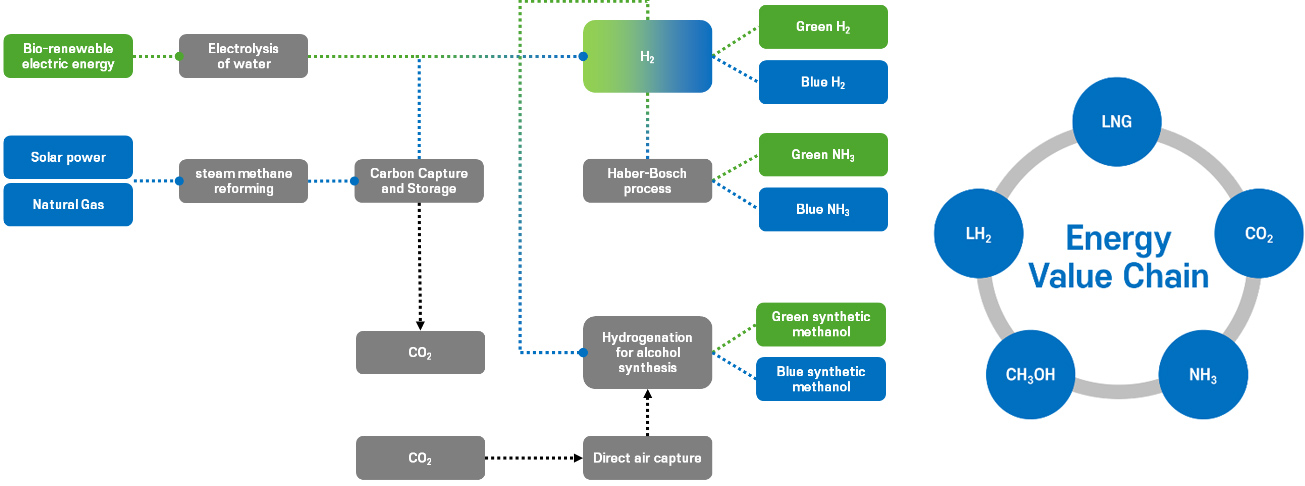
Energy Value Chain
In line with the global carbon neutrality goal, it is necessary to build an integrated value chain of various energy vectors such as LNG, LH₂, NH₃, LCO₂, and e-fuel. LNG is being converted to -162℃ liquefaction, double-insulated tank use, and NH₃/LH₂ mixed-use facilities. LH₂ is being developed to -253℃ liquefaction, vacuum-insulated container use, and 4,000m³-class dedicated vessel. NH₃ can be stored at room temperature, acts as a hydrogen carrier, and is used for turbine co-firing. LCO₂ is being developed to link with CCUS, -56.6℃ liquefaction, marine storage, and mineralization technology. e-fuel has the advantage of renewable energy-based synthesis and utilization of existing infrastructure. Each energy source has its own advantages and disadvantages in terms of economic feasibility and environmental friendliness, and the market is expected to grow to KRW 22 trillion by 2030.
Research 2
Cryogenic Process Design & Eco-Friendly Energy System
The integration of cryogenic process design with eco-friendly energy systems
represents a cutting-edge approach to advancing sustainable energy technologies.
This fusion leverages the precision and efficiency of cryogenics with the
environmental benefits of renewable energy, driving innovation in clean energy
production, storage, and distribution.
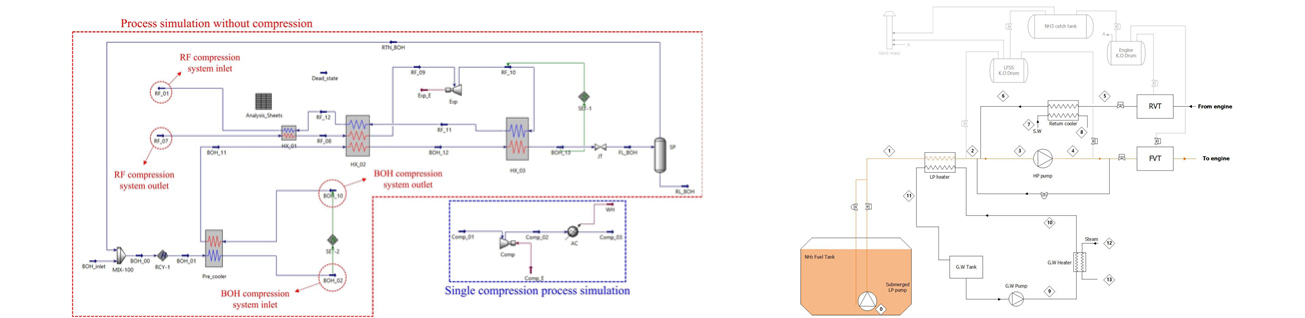
Process Design with Aspen HYSYS
Aspen HYSYS is a premier process simulation software widely used in the design
and optimization of chemical processes. Its capabilities extend across
steady-state and dynamic modeling, making it an indispensable tool for
engineers:
Thermodynamic Precision
With its extensive database of thermodynamic models, HYSYS ensures accurate
predictions for fluid properties, phase behavior, and energy balances.
Optimization and Cost Reduction
Engineers can test various process configurations to identify the most efficient
designs while minimizing capital and operational expenditures.
Dynamic Simulations
The software allows for real-time analysis of transient conditions, enabling
better control strategies and operational safety.
Research 3
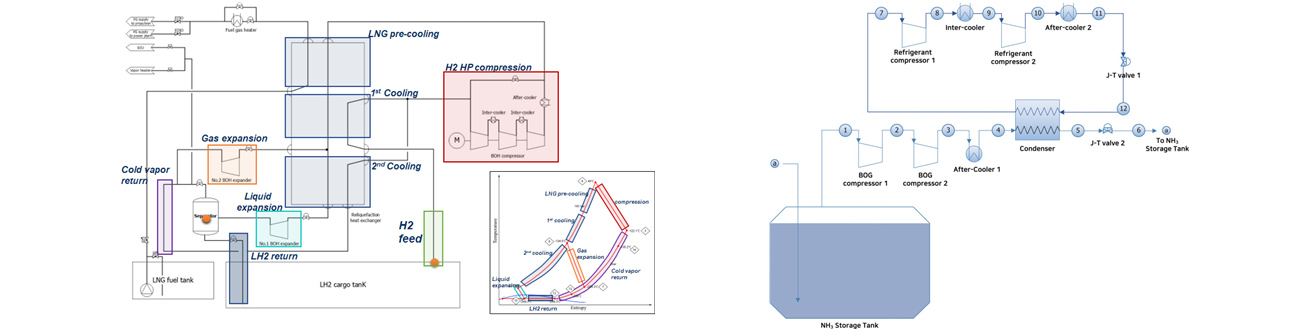
Cryogenic liquefaction Systems
In cryogenic environments, stored liquid materials are
frequently vaporized (Bog-Off Gas, BOG). Re-liquefaction systems are
technologies that convert these gases back into liquid states, store them, or
recycle them, and are essential for drastically reducing energy loss and
increasing economic feasibility.
The technology to re-liquefy BOG generated during cryogenic fluid transport and
storage and return it to the storage tank ensures both energy efficiency and
safety.
Research 4
Process simulation
Aspen HYSYS and Honeywell UNISIM are leading software in the field of process simulation. They cover the entire process cycle from process design to operation. Aspen HYSYS is strong in complex chemical reactions and large-scale process modeling, while UNISIM is strong in real-time data linkage and dynamic simulation, optimizing actual plant operation. Partial file compatibility is possible between the two programs, and the similar user interface makes it easy for engineers to learn. This integrated approach is particularly useful for complex projects such as LNG plant design, carbon capture process optimization, and renewable energy system modeling. In the long term, this can be expected to have cost savings through improved design accuracy and improved operational efficiency.
Research 5
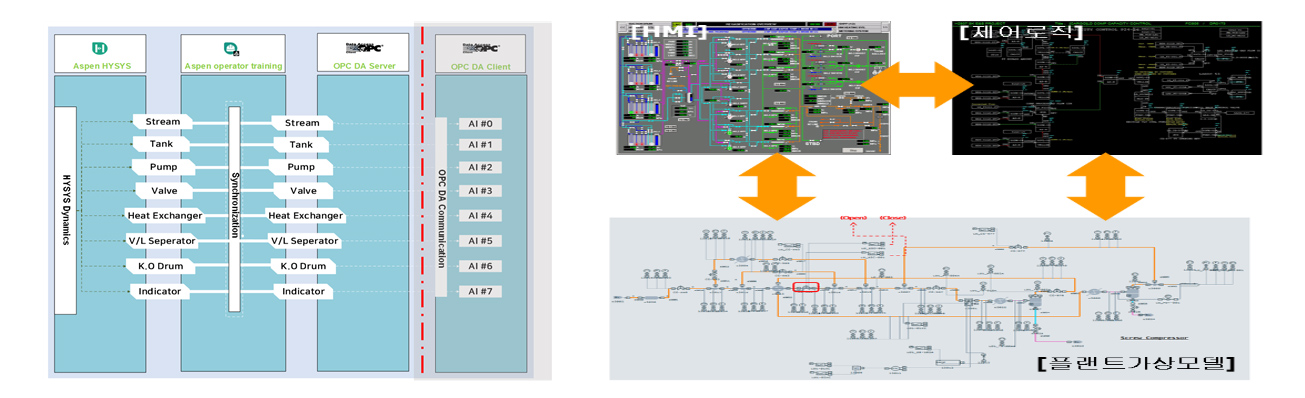
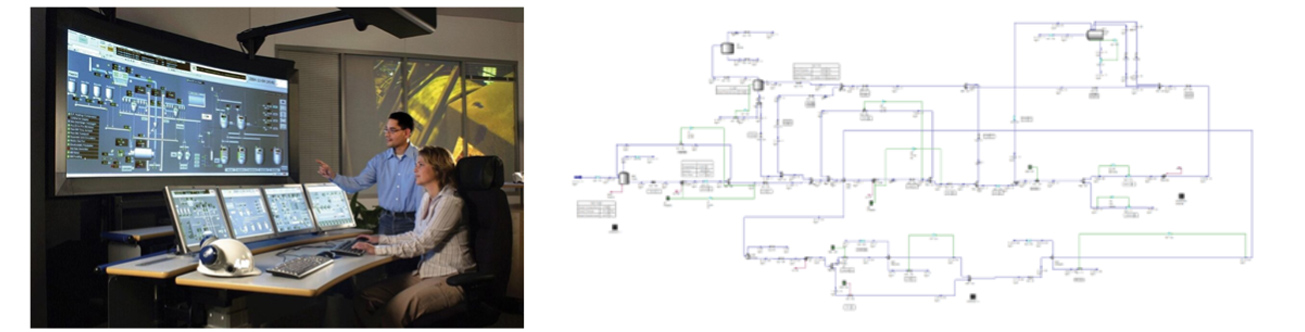
Energy System Operation Training Simulation(OTS)
Operation Training Simulation is a virtual learning
platform that utilizes state-of-the-art technology to maximize operators'
capabilities in real-world environments. The system is designed based on digital
twin technology and dynamic simulation, helping operators fully understand the
operating principles of complex power and energy systems and respond quickly to
a variety of situations. By providing the same interface as the production
environment, it provides a safe environment where operators can learn in
familiar environments and learn through mistakes through various scenarios.
This simulation contributes to enhancing safety and reliability, reducing
operational costs, and cultivating fast response capabilities. It can be used in
a variety of fields, including the power and energy industries, chemical
processes and oil and gas plants, and can maintain and improve the skill level
of operators through continuous learning and certification. Through this, it is
positioned as a key solution to cultivate talents who will lead the energy
industry of the future and ensure the stability and efficiency of facilities.
Research 6
Energy System Technology Economic Analysis
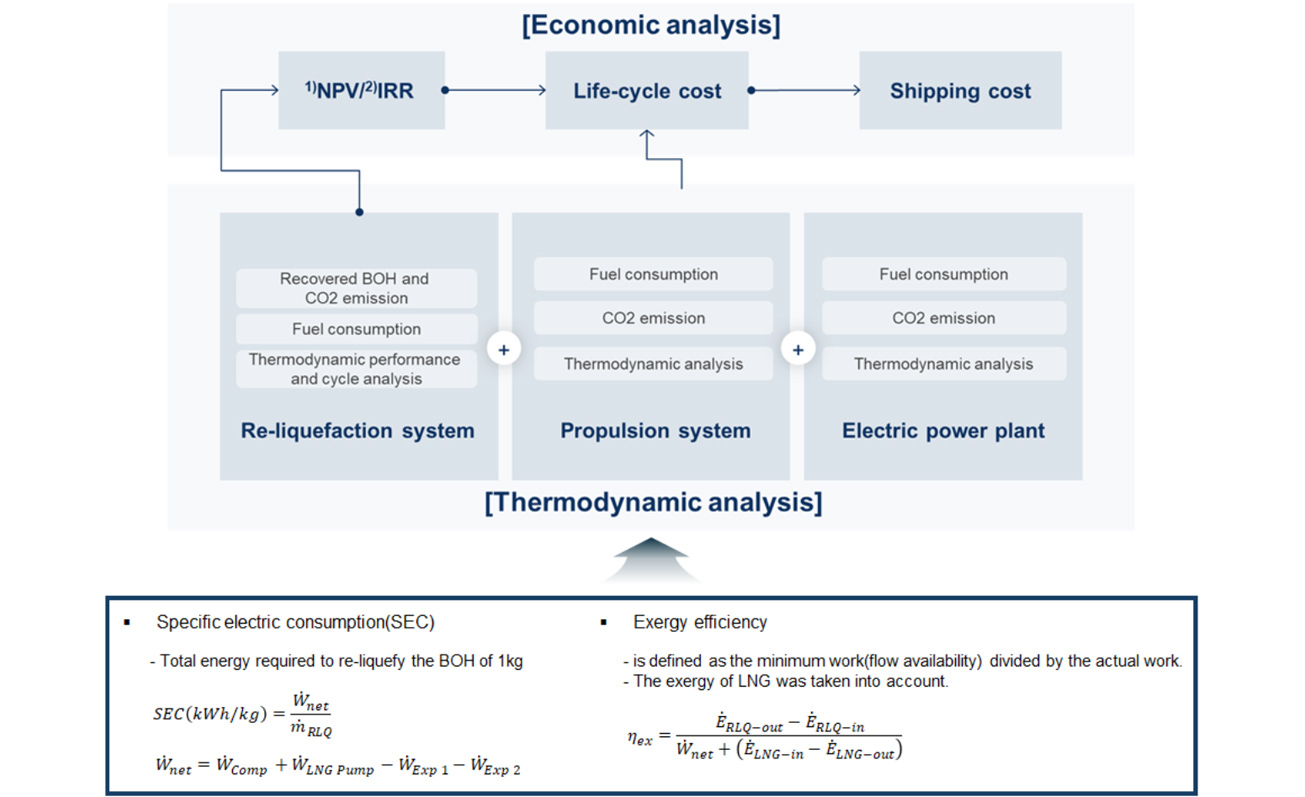
The analysis of energy systems from a techno-economic perspective is vital for advancing energy technologies, optimizing resource utilization, and ensuring economic feasibility. This approach integrates technical performance with economic considerations, enabling stakeholders to evaluate the cost-effectiveness, environmental impact, and scalability of energy systems. Economic analysis of environmental friendly ultra-low temperature energy systems involves evaluating their cost-effectiveness and profitability. Key metrics include Life Cycle Cost (LCC), and Net Present Value (NPV)
Life Cycle Cost(LCC)
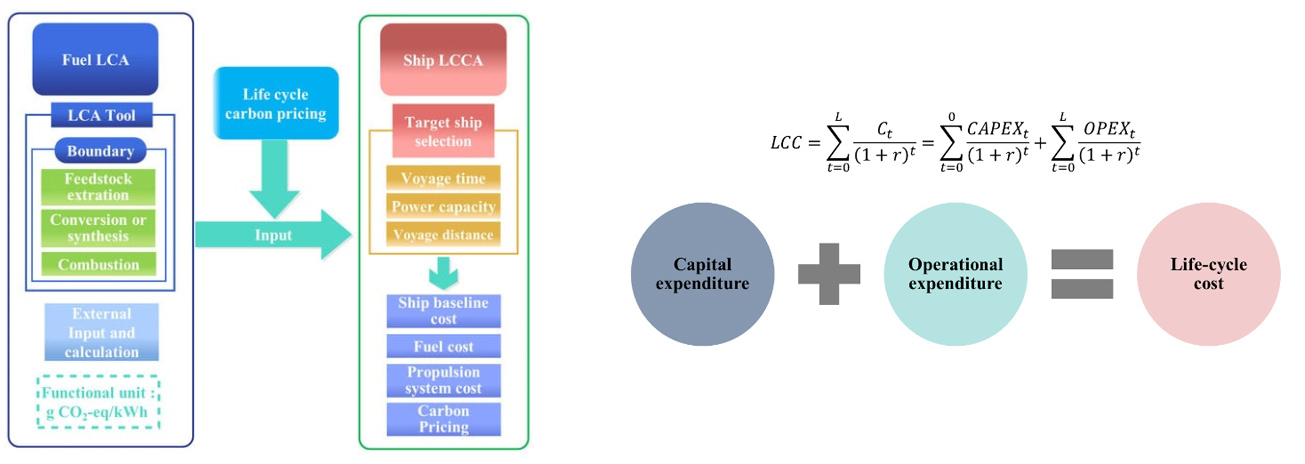
Life Cycle Cost (LCC) is a comprehensive method for assessing the total cost of owning and operating a system over its entire lifespan. It includes initial investment, operation, maintenance, and end-of-life disposal costs. LCC is particularly useful for renewable energy systems, as it helps compare their economic viability with conventional energy sources.
Net Present Value(NPV)
Net Present Value (NPV) measures the current worth of future cash flows by discounting them to their present value. It is a key metric for assessing the financial viability of a project by comparing the present value of expected benefits against initial costs. For ultra-low temperature energy projects, NPV helps stakeholders evaluate whether the investment will yield a positive return over its lifetime. A positive NPV suggests that the project is financially viable and should be pursued.
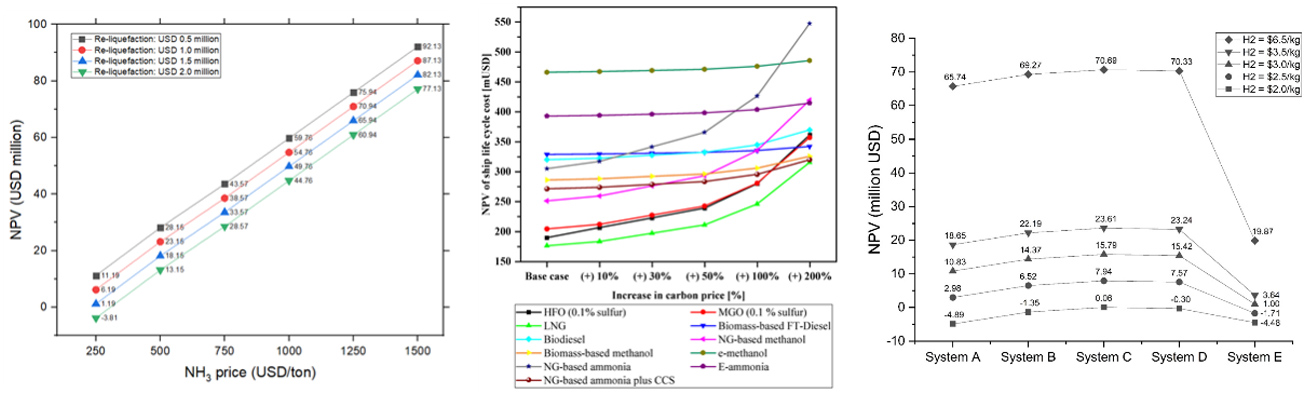
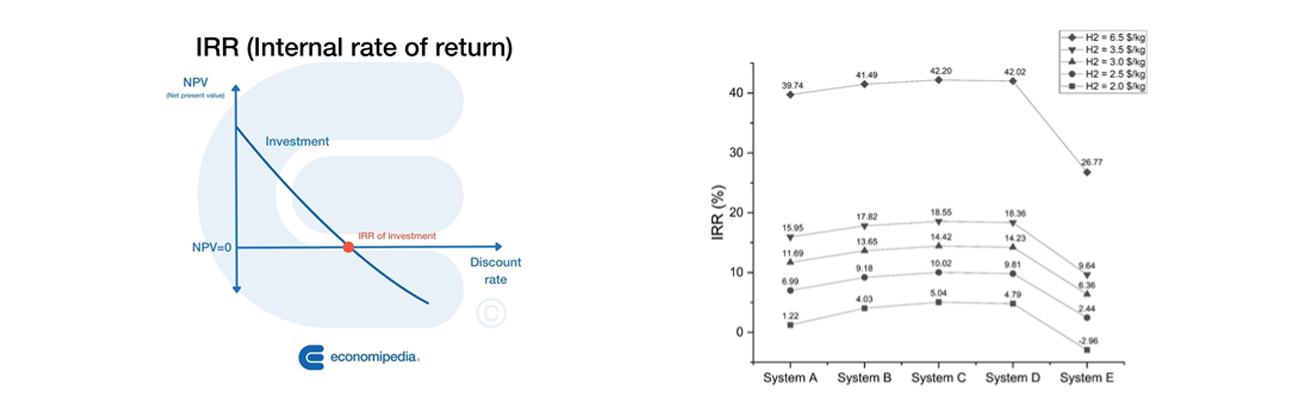
IRR(Internal Rate of Return) is a key indicator used to evaluate the economic feasibility of an investment project in LCCA(Life Cycle Cost Analysis), and refers to the discount rate that makes the net present value (NPV) of a specific investment project 0. IRR reflects the time value of money and expresses the profitability of an investment project as an annual rate of return, and is an independent indicator that can evaluate the economic feasibility of the project itself without being affected by external factors. In addition, IRR is closely related to NPV and is derived through an iterative calculation process.

- E-mail smjee@gnu.ac.kr
Copyright © 2025 ECIL. ALL RIGHTS RESERVED. DESIGNED BY 크리에이티브마루